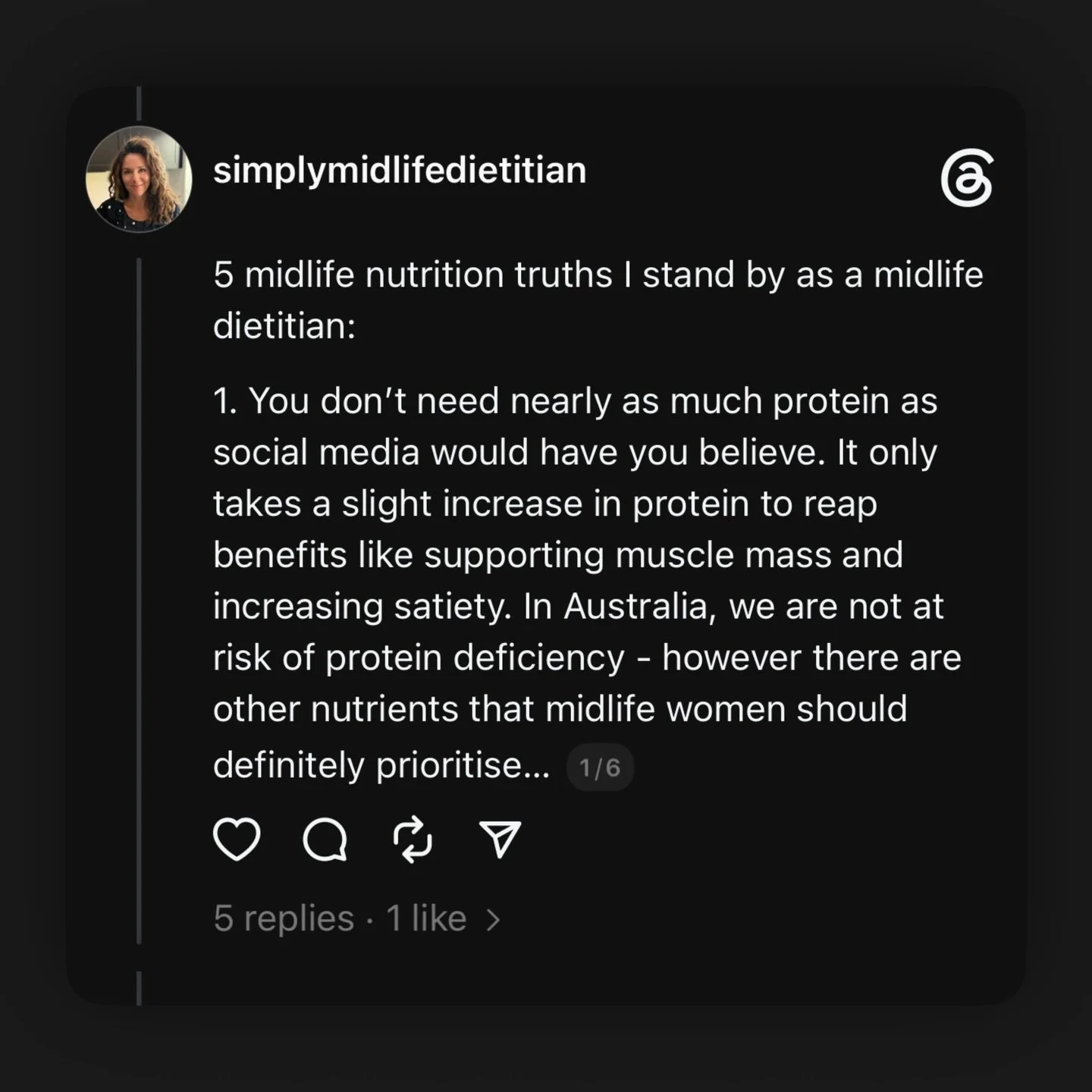
A few hot takes for a Thursday night. What are yours? #midlifenutrition #dietitianmidlife
👇👇👇
Default lunch of choice throughout the week - roasted sweet potatoes with chickpeas, served with Greek yoghurt, guacamole and coriander. It may not look like much, but it is divine 😋
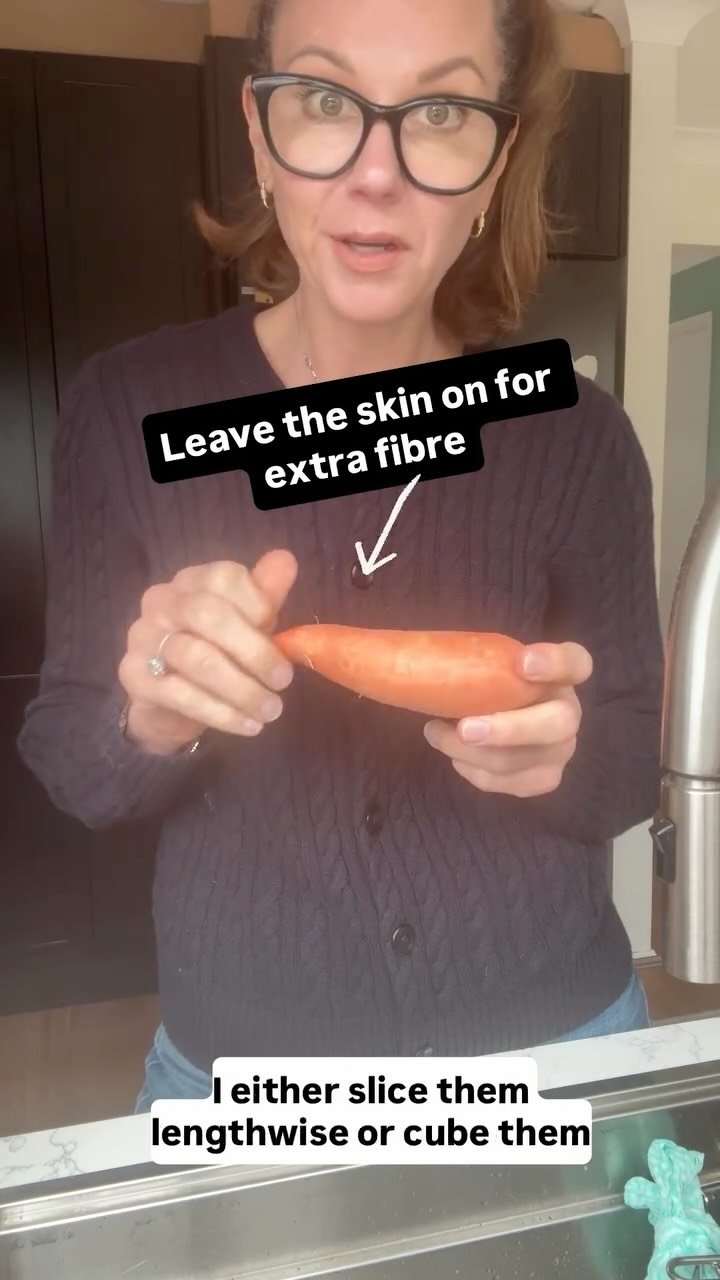
High in fibre (especially if you leave the skin on the sweet potatoes), protein and healthy monounsaturated fats - perfectly filling, perfect for midlife.
Slice sweet potatoes lengthwise, top with salt, pepper and paprika, roast for 15-20 minutes in 200° C oven. In the last 5 minutes add either chickpeas (as made here) or black beans. Serve with Greek yoghurt, guacamole or avocado and diced coriander. Also good with home made salsa.
This is a lunchtime winner because it packs well for a work lunch and keeps for a few days in the fridge without going soggy.
Seriously, try this - and let me know what you think 🤍
#midlifehealth #menopausenutrition #dietitianapproved
👇👇👇
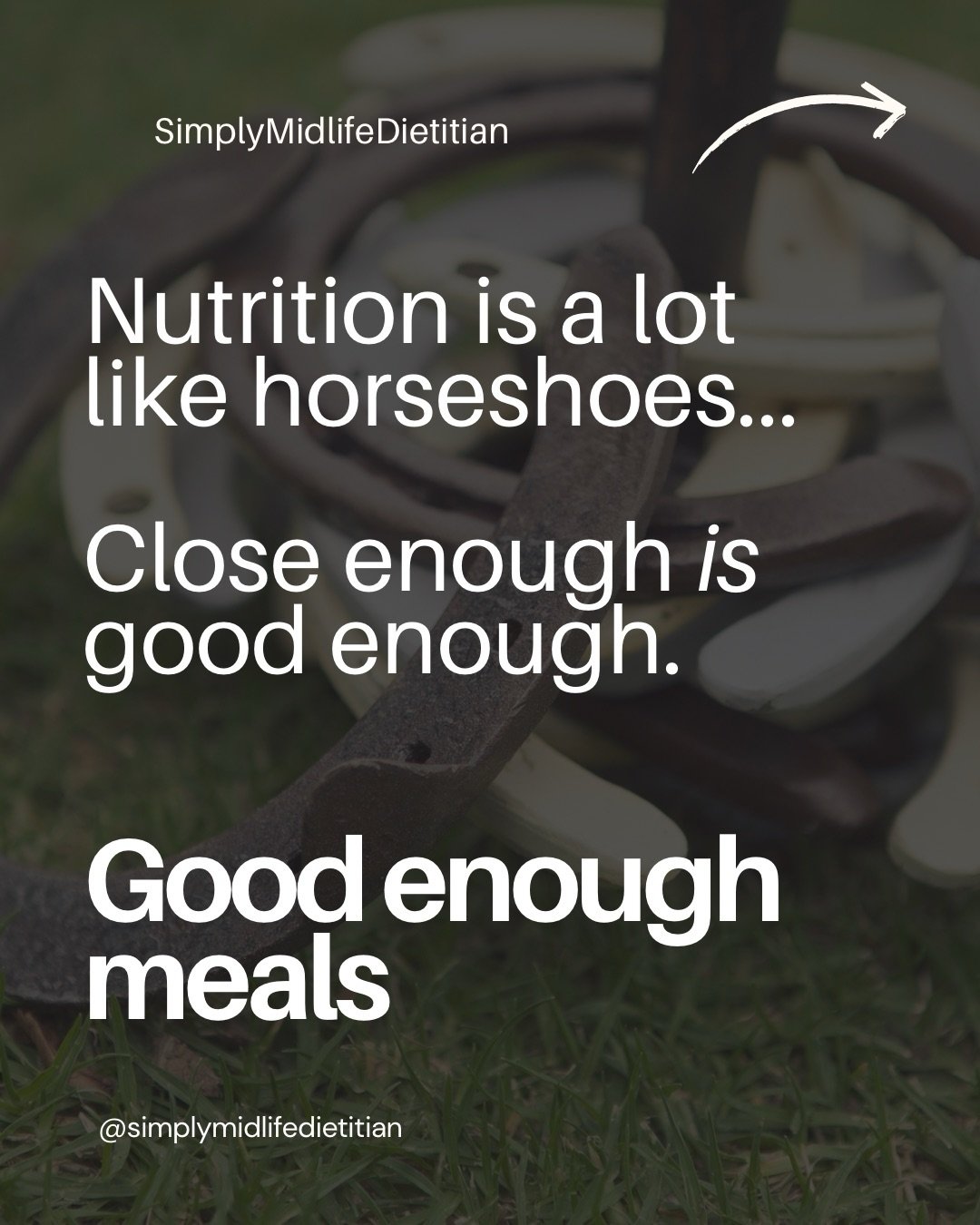
When it comes to eating, good enough really is good enough. Healthy eating is about patterns over time and not one single meal - so one meal can’t “undo” a healthy week.
In fact, every food has its place in your diet. Some foods provide quality nutrients, some are for enjoyment and celebration and some are convenient.
Good enough starts with a plan:
1. Identify high capacity days, the days you can meal prep, batch cook or double your recipes.
2. Identify low capacity days. These days will be made easier by the planning and prep you did on your high capacity days.
On days when convenience is top priority, try some of these strategies:
- make healthy swaps
- bulk meals up with veg, tinned beans or other healthy sides
- use your freezer as a tool - freeze extra portions of meals or stock up on frozen veg and other frozen items that make pulling together meals even easier
- stock your panty like a pro - tuna, tinned beans and lentils, tinned tomatoes and a variety of herbs and spices
Don’t fall into the trap of building a plan that only works under ideal circumstances. Build a plan that is sustainable.
Want help building your plan? 👉 SimplyMidlifeDietitian.com
This week I was doing the juggle, putting the principles of good enough into practice while my husband was overseas.
Good enough starts with a plan, even if the plan isn’t perfect. Consider the nights that you will be extra busy, like with kids sport, and plan for easy meal or leftovers on these nights.
And don’t forget to plan for lunches, as well.
For my lunches, I used one whole chicken and made two different soups: a chicken noodle and pumpkin soup. The whole chicken made a rich chicken stock, that became the base for both soups. This made extra, so I was able to freeze batches for another time.
I wanted to bring a bit of Japan home for the kids, so we had fun rolling our own sushi. This was a fun, weekend activity and the sushi was used for the kids lunches in the beginning of the week.
Our Tuesday night dinner started with a jar of butter chicken sauce – and to make this good enough, I bulked up the meal with tinned chickpeas and finely diced cauliflower and served over basmati rice. The kids devoured this one and it took about 30 minutes to cook.
Tacos are another super easy, good enough weeknight dinner. I start with extra lean mince and bulk the meal up with guacamole, diced capsicum and tomato. Even better, the kids can have their tacos exactly how they like.
Finally, on the weekend when I had a bit more time, I put a roast into the slow cooker and this cooked all day while the kids and I got outside to play. The sides are where this meal really becomes special – I made crispy kale chips and a roast vegetable mash. My son was eating these kale chips like potato chips – he loves them.
The past week was juggle for me and hats off to all the parents who are doing this juggle all the time.
Good enough is starting with an easy base, bulking up meals with veg and healthy sides, making healthy swaps where possible, taking advantage of time, when you have it and planning for easy meals, when you don’t.
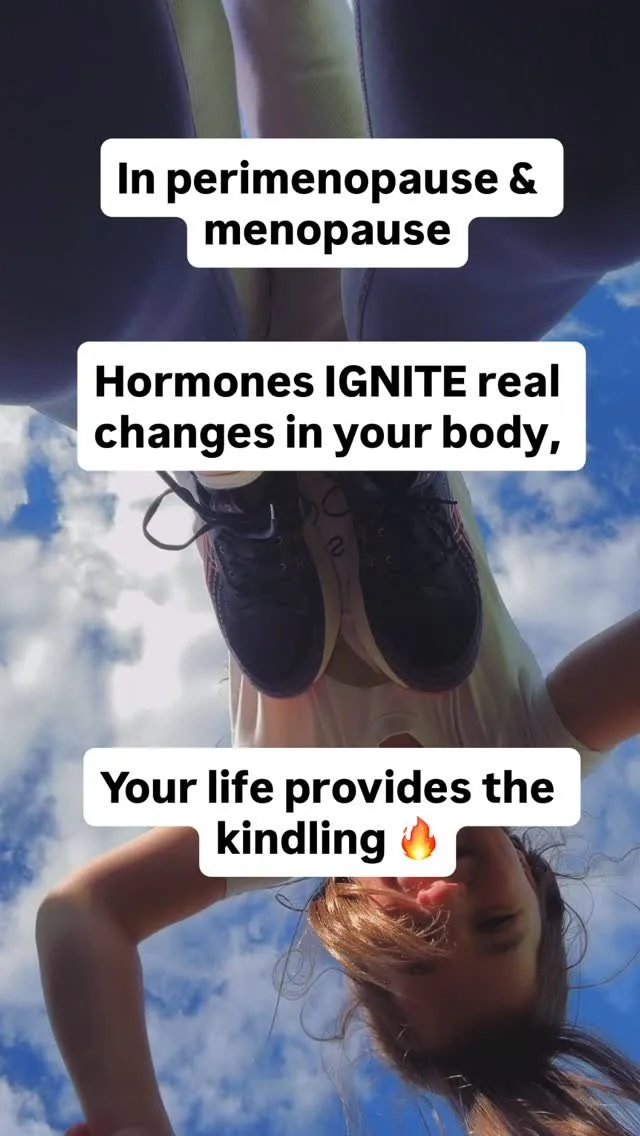
In perimenopause, your health ecosystem provides the environment for symptoms to emerge or worsen. Sure your stress response may decrease, but your lifestyle contributes to your stress. Your hormones may increase insulin resistance, but your history, diet and lifestyle contribute. Midlife changes a woman’s risk profile for chronic disease, but your other risk factors include your diet, lifestyle, stress and genetics.
Every woman’s experience is unique.
Too often I see generic advice without understanding you. And I see advice that doesn’t consider lifestyle during this life phase and over medicalises menopause and perimenopause.
You are unique and you deserve strategies designed around you.
#midlifehealth #menopausenutrition
Connect, learn and share with Simply Midlife Dietitian